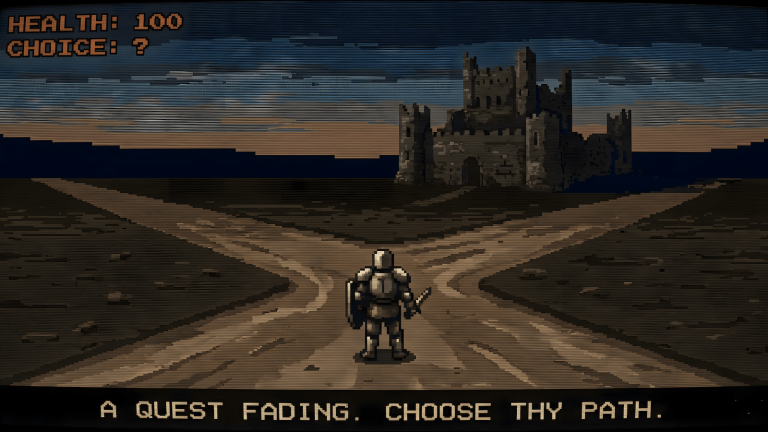
For years I was certain the Doom cheat code for walking through walls was IDSPISPOPDI. I used it constantly, always assumed I had it right, and never once questioned it until I actually looked into the history of cheat codes and found out the real code is IDSPISPOPD, no trailing letter. That correction led somewhere much stranger than a spelling mistake. It turns out the code is a reference to an album I owned as a kid, sitting on a shelf a few feet from the same computer I was typing that cheat into.
That’s the version of cheat code history most recaps skip. They’ll tell you the Konami Code exists and that developers built these things for testing. What they won’t tell you is how specific and personal that history actually gets once you look past the headline facts, or how much modern gaming culture has quietly split cheat codes into categories that never used to be separate.
Worth saying plainly before going further: none of this is a guide to cheating. These are decades old games, most of them long past any competitive stakes, and the point was never to teach anyone how to exploit something current. What it opens up is a much better question, which is why so many games in the 90s shipped with a debug mode built directly into them in the first place, meant for actual testing, not for breaking the game.
Not everything people call a cheat is actually a cheat
Before going further, it’s worth sorting out what actually counts as a cheat, because the term gets used loosely enough to blur real distinctions. Keybinds and macros are helpers, not cheats. On a marksman hunter back in World of Warcraft Wrath of the Lich King, a macro could bind autoshot together with another skill, so one keypress fired both and pushed DPS higher than pressing each ability separately. Threat management worked the same way. Pulling too much aggro off a boss meant casting Misdirection on whichever tank was up, manually targeted every time, then Feign Death right after, transferring the threat off you and onto them. That’s two abilities used with real timing and judgment, not a shortcut at all. Nobody gets banned for playing well.
Exploits sit in a grayer zone, and they carry different weight depending on scale. A bug that hands you a direct positive outcome, extra loot, a one hit kill on something that should take five hits, is the kind that gets accounts banned in multiplayer games, because it doesn’t just help you, it distorts the game world’s economy for everyone else. Then there’s the bigger version, where a handful of small bugs get chained together into something that breaks the game entirely, like using overlapping glitches to get outside the intended map boundary. That’s a different order of exploit, closer to genuinely finding a hole in the game’s construction than abusing one known bug for personal gain. Trainers, memory manipulation, and game executable hacks are the real bannable category on top of all that, since those alter the game’s code or memory space while it’s running, which is exactly what anti-cheat software exists to catch.
What this piece is actually about sits apart from all of that. It’s the debug or dev console the developers themselves built into the game, activated the way the developers intended, whether that’s a button sequence, a command line switch, or a typed console command. Nothing gets broken. Nothing gets injected. Editing a singleplayer game’s own files for your own experience, the way hex editing works, falls into that same apart category too, since it only ever changes your own copy of the game and never touches anyone else’s.
Cheat codes were never built for players
The core fact that most recaps bury under trivia is this: cheat codes were not designed as a feature for players. They started as debug shortcuts for the people building the game. Before automated testing existed in any real form, a developer or tester checking whether a boss dropped the right item on death had to play through every level before it to get there. That’s an absurd amount of wasted time for one small check, so developers built themselves shortcuts into the game itself, meant to disappear before release and often left in by accident or convenience.
I learned the code before I knew it had a name
My aunt and cousins had a SNES, and Contra was the game that got played every visit, usually with two of them on the controllers at once. Before the match started, someone would run through it fast, up up down down left right left right B A B A select start for two players, or B A start if you were going in alone. To me it was just “the 30 lives code,” full stop. I didn’t know it was called anything else, and I definitely didn’t know it existed anywhere outside that one game.
After that I tried it on basically every NES game I got my hands on, half expecting it to do something every time. Sometimes it worked. Sometimes nothing happened and I moved on without wondering why. It wasn’t until years later, going back through the actual history of cheat codes, that I found out the sequence had a name at all: the Konami Code, built by programmer Kazuhisa Hashimoto into the NES port of Gradius because he found his own build too difficult to get through during debugging. It shipped in Contra too, and in dozens of other titles, which is exactly why a kid mashing buttons on unrelated games kept half expecting it to do something. It wasn’t random luck that it sometimes worked. It was one code, quietly reused across an entire console’s library, by developers who all had the same problem Hashimoto did.
None of this came from a website, because there was no website. No GameFAQs, no wikis, no forum thread with a hundred replies confirming the input order. If you had a code, you had it because someone handed it to you directly. My dad taught me the Wolfenstein 3D code himself. The Prince of Persia one came a different way entirely, through a friend of a friend, the kind of secondhand chain where nobody remembers exactly who found it first. When a code didn’t exist for a game, or nobody around you happened to know one, you had exactly three moves. Ask a friend and hope they’d actually played it. Dig through a game magazine and hope the issue you had covered that specific title. Or, if neither worked, open the game up yourself. There wasn’t a single game back then I didn’t eventually try to hex edit, save files included, poking around raw bytes hoping to find the number that meant lives or gold or ammo and just change it. When that wasn’t enough either, I’d go looking further out, scouring whatever corner of the early internet or a BBS I could reach, usually from my school’s computer since that was the only real connection most of us had access to.
That’s the part a timeline can never capture. It wasn’t information, it was folklore. You earned it socially, or you built it yourself out of whatever scraps were actually in reach.
The proof is everywhere once you know what you’re looking at
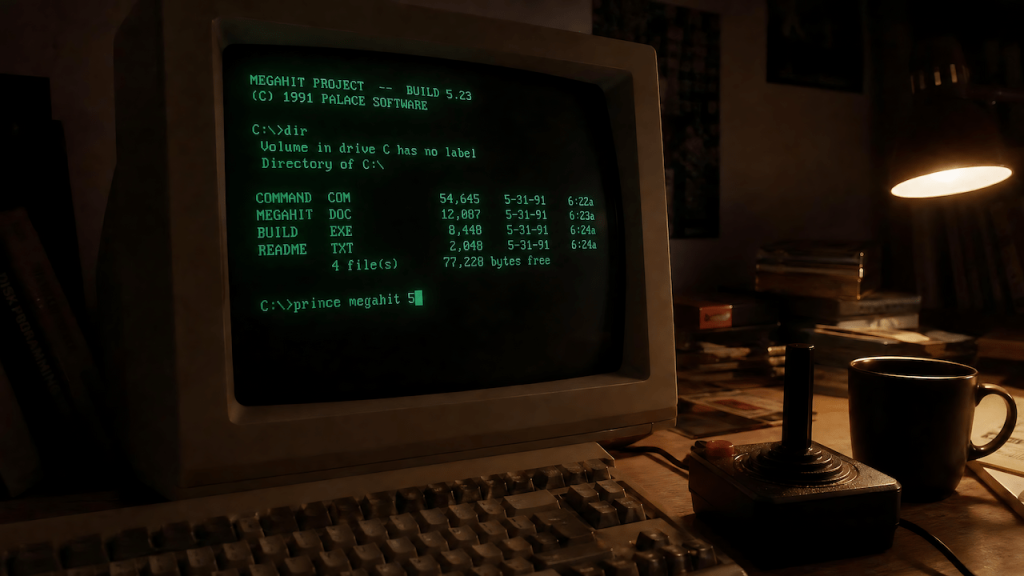
Wolfenstein 3D goes further than folklore and just tells you outright. Typing -goobers at launch, or the in-game key combination, unlocks a message that reads “Debugging keys are now available,” no interpretation required. Prince of Persia has its own version of the same idea. The original DOS release could be launched with the command prince megahit, dropping the player straight into cheat mode or a chosen level instead of the normal linear playthrough. If you want the deeper history of that trilogy, the Prince of Persia Sands of Time retrospective covers where that series went from there.
Doom rounds out the button code era with the most recognizable trio in gaming history. IDDQD grants invincibility, IDKFA hands over the full arsenal, and IDSPISPOPD lets you walk through walls. The ID prefix isn’t decoration either. It’s id Software signing its own internal tools with the studio’s name, the same way any dev team marks something as theirs before it’s meant to be cleaned up.
Quake moved the whole idea somewhere new. Instead of a memorized button sequence, it shipped with an actual typed developer console, opened with the tilde key, where you could enter commands directly: teleport, spawn an item, toggle noclip, whatever the moment called for. That’s the real hinge point in this history. It’s the direct ancestor of every console command in every modern RPG, and it’s also the direct ancestor of something a QA engineer does today when they hit an API endpoint directly instead of clicking through ten screens of UI to get to the state they need to test.
Blizzard ran the same idea through its own strategy games with its own sense of humor. StarCraft’s own cheat page, still hosted by Blizzard itself, lists Power Overwhelming for invincible units and Black Sheep Wall for stripping away the fog of war entirely, which is basically the QA concept of needing visibility into hidden state, just wearing a cheat code’s clothing. Warcraft III kept the tradition going with whosyourdaddy for invincibility and one hit kills and iseedeadpeople to reveal the map, both entered through the same in game chat box. Blizzard’s naming leaned hard into movie references the whole way through, the Matrix, the Wizard of Oz, Fight Club, developers signing their debug tools with jokes instead of hiding them, the same instinct as id Software’s initials on Doom’s codes.
GTA might be the strangest case of all, because it never actually stopped. Rockstar has kept sanctioned cheat codes alive in mainline GTA games well past the point most AAA studios walked away from the idea, and the reason comes right back to the split covered further down. GTA’s cheats are scoped entirely to singleplayer and get disabled the second you’re in GTA Online. It’s the same rule playing out inside one franchise instead of across an entire industry.

Why these backdoors shipped instead of getting removed
The obvious question is why any of this survived into the final, shipped version of these games instead of getting stripped out before release. The honest answer has nothing to do with nostalgia or fan service. Many of these cheats were tied to fixed memory addresses in the game’s code, and pulling them out carried real risk of breaking something else that depended on that same address. Removing a working debug tool was often more dangerous than just leaving it in and hoping nobody outside the studio noticed. Sometimes players noticed anyway, and the accident became a legend.
The strange detail nobody connects
Here’s where the history of cheat codes gets personal instead of just factual. IDSPISPOPD isn’t a random string of letters. It’s an acronym built from a phrase referencing Smashing Pumpkins, and the timing lines up in a way that’s easy to miss unless you go looking. Doom shipped in December of 1993. Smashing Pumpkins released Siamese Dream that same year, months earlier, right in the thick of id Software’s development window on Doom.
I owned that album. I had it in regular rotation as a kid around the same stretch of time I was typing IDDQD and IDKFA into Doom more times than I could count. Two completely separate threads of the same year in my life, and I never once knew they were tied together until I actually dug into where that cheat code name came from. That’s the kind of detail a generic recap of gaming trivia never surfaces, because it only shows up once you stop treating the history as a list of facts and start treating it as something that actually happened to real people, including the ones playing the game decades later.
The debug instinct split in two
The instinct behind all of this never actually went away. It split into two very different paths depending on whether the game is singleplayer or multiplayer. Singleplayer games kept the tradition alive and out in the open. Fallout, Skyrim, and The Witcher all ship with a functioning developer console, no longer hidden behind a secret button sequence, just available to anyone who wants to open it and knows the commands.
Multiplayer and live service games went the opposite direction entirely. The same kind of shortcut that used to help a tester check a boss fight is now exactly what anti-cheat software exists to catch, because in a competitive environment that shortcut becomes an unfair advantage instead of a convenience. That’s a large part of why a game like The Division doesn’t have any real cheat code culture the way Doom did. It’s not that the instinct disappeared. It’s that the same tool became a bannable offense the moment other real players were on the other end of it. If you’ve spent any time comparing how differently those live service systems get built, how Division 1 and Division 2 diverged in their design is worth a look for exactly that reason.
For people who want to go even deeper into how games are actually built under the hood, learning hex editing through reverse engineering games is the closest thing to that original debug era still available to anyone willing to dig into a singleplayer game’s own files.
The instinct just got a job title
None of this ever really stopped. The developer who built a shortcut into Gradius so he could survive his own game and the person who builds a staging environment shortcut today so a QA team doesn’t have to click through ten screens to test one state are running the exact same instinct forty years apart. The cheat code was never a novelty bolted onto a finished game. It was always the same job, it just used to be a secret, and now it has a name.