I own a ROG Phone 7 Ultimate. Snapdragon 8 Gen 2, 16GB RAM, 165Hz display, active cooling. Built specifically for mobile gaming.
I don’t game on it.
Not because it can’t. Because I figured out what I actually needed it for, and it wasn’t gaming.
The Six Generation Wait
When the first ROG Phone came out in 2018, I wanted it. Not because I was going to game on my phone. Because it looked different.
Every other phone was trying to be an iPhone. Smooth edges, clean lines, minimalist. Boring. The ROG Phone had aggressive lines, RGB lighting, looked like something you’d pull out of a gaming rig, not a pocket. It stood out.
But I didn’t buy it. Waited through ROG Phone 2. Waited through ROG Phone 3. Kept waiting.
By the time ROG Phone 7 Ultimate launched, I’d watched six generations go by. Got it on Father’s Day 2023. Five years of waiting paid off.
I looked at the alternatives. Legion phone had competitive specs. It’s Lenovo’s gaming line, separate from their consumer phones that target iPhone switchers. I trust Lenovo laptops. I own a Legion 5. But their phone division was unproven to me. Black Shark, Xiaomi’s gaming brand alongside Poco and Redmi, same consideration. Red Magic looked interesting on paper, but I wasn’t confident about build quality or long term support.
Here’s the thing. ASUS and ROG hardware is expensive. For PC parts, I go MSI or Aorus. Better value for builds. I’m not an ASUS fanboy.
But for a phone I need to trust for five years? ROG Phone 7 Ultimate made sense despite the premium. Seven generations of gaming phones meant ASUS was committed to the category. Established support. Known build quality. Software updates I could count on.
The cheaper options raised questions I couldn’t answer. Will the company support this in two years? Can I get it repaired if something breaks? Is this their first attempt or a proven platform?
I wasn’t buying a spec sheet. I was buying reliability insurance for a tool I can’t easily replace mid cycle.
Unboxing it on Father’s Day 2023.
What I Actually Needed
Here’s the thing about being an engineer. You can’t stop being one. It’s not just your profession. It’s how you’re wired. You see a tool, you immediately start figuring out how to optimize it for what you actually do.
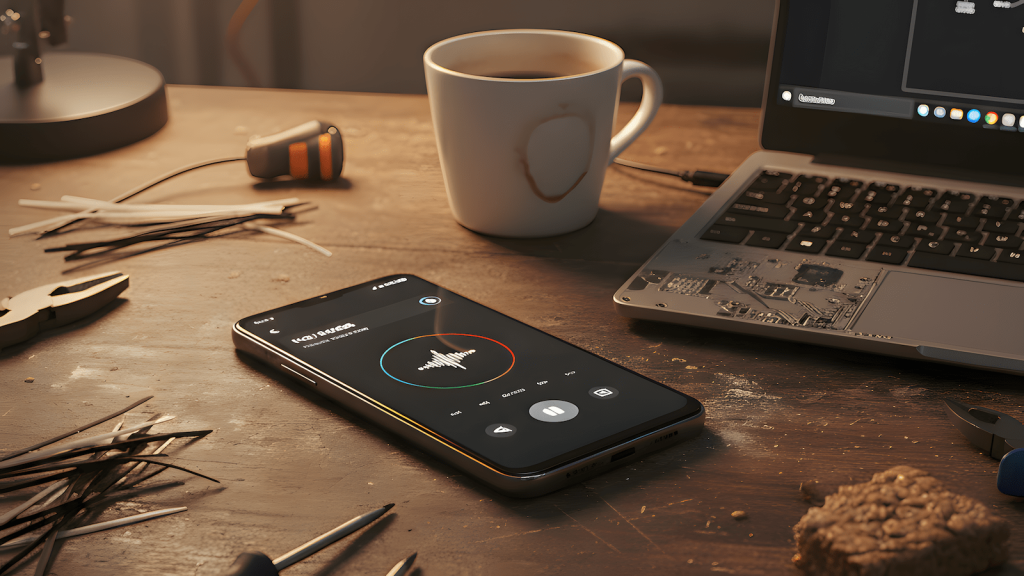
I needed a phone that could handle QA testing when I’m not at my desk. Something that could run multiple apps, switch between them fast, not choke when I’m verifying bugs on mobile. I needed it to handle voice recording without lag because ideas hit when I’m driving, walking, stuck in traffic. I use voice AI to capture those thoughts, sync them back to my desktop where I can actually write them out or act on them.
The ROG Phone 7 Ultimate had what I needed. Not because it’s a gaming phone. Because it has a high end processor that doesn’t thermal throttle under load, enough RAM to keep everything running smooth, and a battery that lasts through actual use. Active cooling means it stays fast even when I’m pushing it.
Three years later, it still handles everything without slowing down. That’s what future proofing actually means. Not “it can run next year’s games.” It means the tool keeps working for what you built your workflow around.
ROG Phone 9 just came out. I’m not getting it. This phone will last me until ROG Phone 15, maybe longer. Same reason I used my iPhone 5 for years, then iPhone 6, then iPhone X, all long after newer models launched. I didn’t upgrade because Apple said I should. I upgraded when the tool stopped doing what I needed.
That’s how iPhones work for people who actually use them as tools. They’re built well enough that you can keep using them years after they’re “outdated.” The ROG Phone 7 Ultimate is the same. It’s not about chasing specs. It’s about having a tool that keeps working.
The Gaming I Tried (And Why I Stopped)
I’m not completely ignoring what this phone was built for. I tried gaming on it.
Diablo Immortal. Action RPG with touch controls. Tapping where I want to move, tapping skills, trying to dodge attacks. It works. But it feels imprecise compared to controller or keyboard and mouse. I can do it. I don’t want to.
Fallout Shelter. Tap based management game. This one actually worked fine. But it’s also Fallout Shelter. It runs on anything. Doesn’t need a gaming phone.
Steam Link. I streamed Witcher 3 from my PC to the phone. Latency was acceptable. Quality was decent. Technically impressive.
But here’s where the engineering brain kicks in. Why am I doing this?
The Problem With a 6 Inch Screen
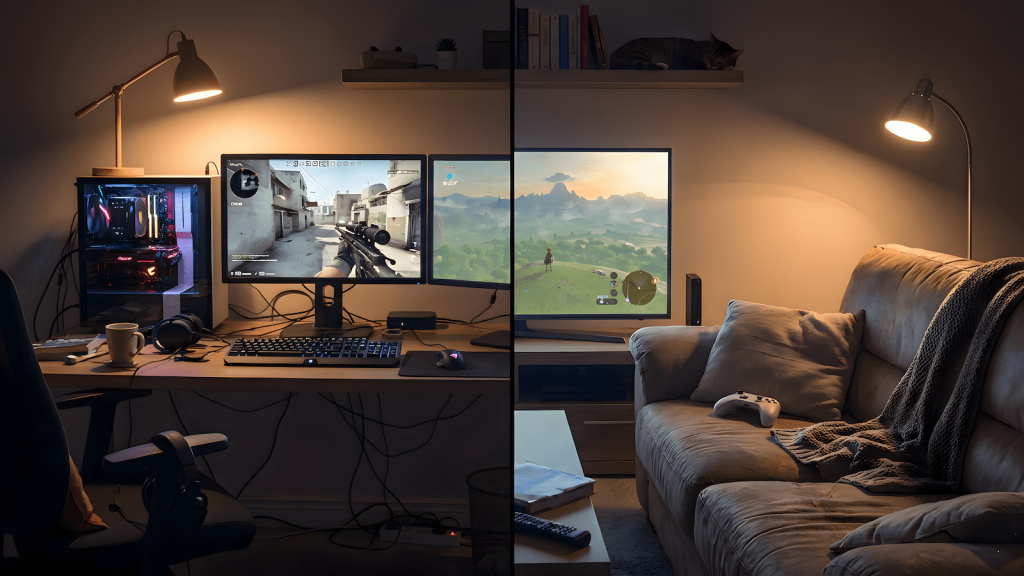
I have a 43 inch monitor on my desk. I have a 55 inch TV in the family room. I have a PC with an i7-8700 and GTX 1660. I have a Legion 5 laptop. I have a PS4. (Here’s how I actually use all of them.)
All of those have real screens. All of those have real controls. Keyboard and mouse for precision. Controller for comfort.
Gaming on a 6 inch screen when I have access to 43 and 55 inch displays doesn’t make sense. It’s not about the phone’s capability. It’s about the experience.
And my phone is a phone first.
The ROG Phone 7 Ultimate can handle 3 to 4 hours of gaming on a charge. That’s solid. But I need the phone for calls. For GPS when I’m stuck in traffic and need directions. For work messages. For recording ideas.
If I drain the battery playing Diablo Immortal, and then I actually need to make a call or pull up directions, I’m stuck. That’s bad engineering. You don’t optimize for one use case if it breaks another more critical use case.
What It Actually Became
The ROG Phone 7 Ultimate is my mini computer. The thing I pull out when I’m away from my desk and need to verify something, capture a thought, handle a task that can’t wait.
It’s not a gaming device. It’s a productivity tool that happens to have gaming specs.
The high end processor handles multitasking. The cooling keeps it from throttling when I’m running QA tests or recording long voice notes. The battery lasts through a full day of actual use, not hypothetical gaming sessions.
I bought it thinking I might game on it. I figured out what it’s actually good for. That’s how tools work when you’re wired to optimize everything.
Who Actually Needs a Gaming Phone
If you commute hours every day and mobile gaming is how you pass that time, maybe a gaming phone makes sense.
If you travel constantly and don’t have access to a PC, console, or laptop most of the time, maybe it’s worth it.
If mobile gaming is genuinely your primary way to game because of your life constraints, sure.
But if you’re home most of the time with access to real screens and real controls, a gaming phone is solving a problem you don’t have.
I don’t regret buying the ROG Phone 7 Ultimate. It’s the right tool for what I actually do. Just not for what it was marketed to do.
That’s the thing about being an engineer. You can’t help but figure out what the tool is actually good for, regardless of what the box says.
Build what works for your actual use case. Repurpose what you have. Optimize for what you actually do, not what marketing tells you to want.
That’s the essence of the workshop. You take what’s available, figure out what it’s really good for, and make it work.

Waited five years and six ROG Phone generations before pulling the trigger on the 7 Ultimate.
Uses a gaming phone for QA testing and voice notes. Doesn’t game on it. Picks MSI and Aorus for PC parts despite owning ROG hardware.
Runs HobbyEngineered where tools are judged by actual use, not marketing categories.
Also writes about QA systems at QA Journey and cuts through AI hype at Engineered AI.
Same engineer mindset, different tools.