A knife collector isn’t a killer. Someone who trains with blades for the knowledge, the craft, and the discipline is building a hobby. The moment the intent shifts, that’s when it becomes a problem. The knife didn’t change. The system around it did.
Alcohol works the same way.
Most people have no system around drinking. They drink reactively, out of boredom, stress, or habit, with no thought about what they’re reaching for or why. That’s how a bottle becomes a vice. But when you treat it like any other tool, right dose, right moment, right purpose, it stops being something that controls you and starts being something you actually understand what’s the right drink for the right situation.
Think about medication. A painkiller at the correct dose helps your body heal. Too much and it doesn’t heal faster, it overloads your system and causes damage. Same molecule, completely different outcome based on how you use it. Alcohol is no different. The problem was never the substance. It was the absence of a system.
That’s what my grandfather modeled, without ever calling it a hobby.
He’s a career military man. Paratrooper. The kind of guy who comes home from deployment, sits quietly in front of the TV, does his crossword puzzles, reads, and doesn’t say much. His sons and daughters would be around and he’d just be there, calm, present, quiet.
But when the grandkids showed up, it was a different story. He’d talk. Tell us things he never told his own kids. Stories. Lessons. Systems.
One of those systems was about drinking.
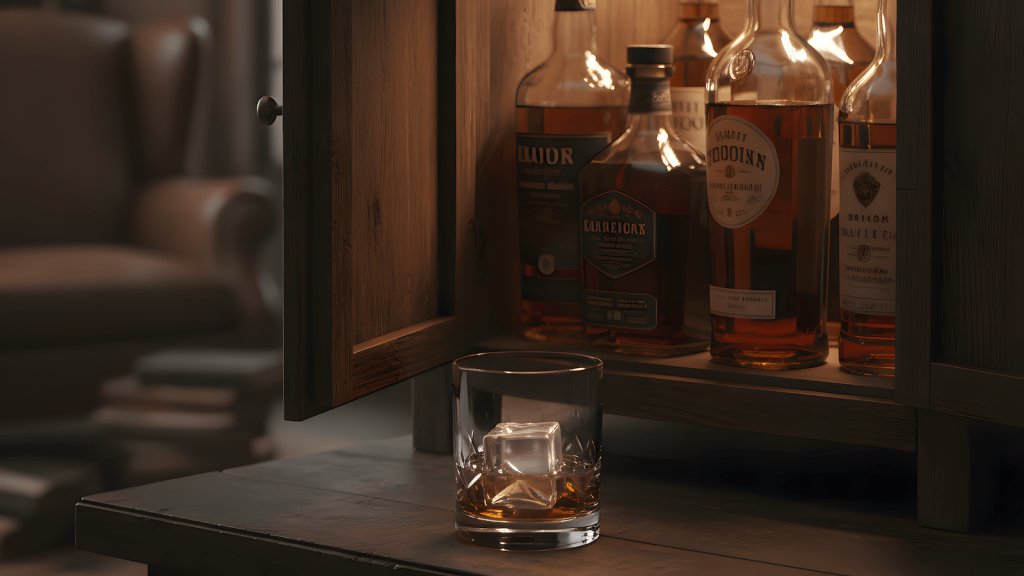
He didn’t lecture. He just shared what he knew. Which spirit for which moment, what pairs with what, when to reach for beer instead of water, when a single shot before yard work makes more sense than an extra jacket. I’m not 100% sure where he picked all of it up, whether from military life, deployments, or years of reading and paying attention. But the man keeps a full cabinet of liquors and spirits and multiple cases of beer in the garage. Crown Royal is his whiskey. Sometimes beer instead of water. Not because he drinks heavily, but because he knows exactly what each one is for.
That framework stuck with me. Here’s what he taught me.
After a Long Day of Hard Work
Reach for whiskey or rum.
You put in the hours. Your body is tired, your head is full. This is where a single shot of whiskey or rum earns its place. Not a cocktail, not something complicated. A clean straight shot or a short pour over ice.
Whiskey has that warmth that hits the chest and tells your brain the workday is actually over. Rum does the same thing with a slightly smoother edge. Either one works. The point isn’t the spirit, it’s the ritual. One drink, intentional. You’re telling your nervous system the work is done, and you’re doing it deliberately instead of just reaching for whatever’s closest. A proper rocks glass helps with that too. It sounds minor but drinking from the right vessel is part of the ritual. It signals intent.
When You’re Stressed and Need to Reset
Reach for Scotch or bourbon.
Stress is different from tiredness. Stress is mental noise that won’t shut off. My grandfather pointed me toward Scotch for this. It’s slow and complex and it demands your attention in a way that actually pulls you out of your head. You can’t rush a glass of Scotch. That’s the point.
Bourbon works too if Scotch isn’t your thing. Sweeter, easier, still does the job. One shot or one short pour. The system here isn’t about dulling the stress, it’s about redirecting your focus long enough for your brain to stop looping. You’re not medicating. You’re resetting. If you’re pouring over ice, use a large single cube or a granite chilling stone. Less surface area means slower melt, which means the drink stays at the right strength while you actually sit with it.
When You’re Cold and Working Outside
Reach for tequila or vodka, one shot, then get back to it.
This one surprised me when I first heard it, but it makes practical sense. Growing up in the Philippines, cold weather hits differently. You’re not built for it. When I visited and the temperature dropped, my grandfather told me to take a shot of tequila or vodka before heading out to work in the yard. Not a large one, just a standard shot to get the blood moving and warm up from the inside.
When you feel cold again, take another. But he was clear about one thing: drink water, a lot of it. The shot warms you up and the water keeps you functional. Rotate as needed. He treated it the same way you’d treat putting on an extra layer. Purposeful, measured, and tied directly to what your body needs in that moment.
On tequila, go for a reposado or an añejo. Reposado is aged a few months in oak and comes out smoother. Añejo is aged longer and richer. Avoid mixto, which is tequila cut with other sugars and is usually what gives tequila a bad reputation. You want 100% agave on the label.
Pairing Wine With Your Meal
White wine with fish and chicken. Red wine with red meat.
This is the oldest rule in the book and one my grandfather passed down clearly. White wine is crisp and acidic and cuts through the fat in fish and chicken without overpowering the flavor. Red wine is heavier and tannic and stands up to red meat while also helping with digestion.
You don’t need an expensive bottle. You need the right color for the right protein. This is the system working at the dinner table. The drink isn’t separate from the meal, it’s part of how the meal functions. The same logic applies to the glass. A proper wine glass isn’t pretentious, it’s functional. The shape affects how the aroma hits you, which changes how the wine tastes. Right tool, right job.
After a Meal
Have a small drink to close it out.
A digestif is just a small drink after eating to help digestion and wind the meal down. There’s no strict rule on what it has to be. A small pour of whiskey works well. So does finishing the last of the wine. Even a cold beer works if that’s what’s in front of you.
The key word is small. This isn’t a second session. It’s a cap on the meal, a deliberate signal that you’re done eating and done drinking. The system has a closing bracket, not an open end.
When You’re Winding Down
Keep it clean and skip the heavy juice mixers.
Late evening wind-down calls for something that doesn’t work against you. Gin and tonic with a lime. Vodka with soda water. Simple, clean, low sugar.
Skip the pineapple juice, the orange juice, the sweet mixers. Those are for parties. When you’re genuinely trying to wind down, the sugar spike fights the whole point. This is where people lose the system without realizing it. They think they’re relaxing but they’re actually spiking their blood sugar and wiring themselves back up. Keep it clean and let the drink do what you actually want it to do. A tall highball glass with proper proportions helps here more than people expect.
Everyday: Beer
Light for casual. Dark when it calls for it.
My grandfather drinks lager or pilsen for everyday things. Baseball on TV, relaxing at home, sometimes just instead of water. Cold, uncomplicated, nothing fancy.
Stout is heavier and more filling and better suited for cooler weather or a slower evening. All three have their place. The point is he doesn’t reach for spirits when beer does the job, and he doesn’t reach for beer when the situation calls for something else. Every choice is matched to the moment. That’s the whole system in one sentence.
The System Behind It
The pattern across all of this is intentionality. My grandfather knew exactly what each thing was for and when it earned its place. That’s a systems mindset applied to something most people treat as pure habit or impulse.
The wrong drink at the wrong time doesn’t just taste off. It works against what you’re actually trying to do. Heavy sweet mixers when you’re winding down. Wine you didn’t pair right with your meal. A complicated cocktail when a single clean shot would have done the job. None of it fits, and none of it feels right, even if you can’t explain why.
This is the difference between a vice and a hobby. A vice is reactive. A hobby is intentional. You build knowledge around it, you respect the rules of it, and you use it with purpose. That’s what turns something with a bad reputation into something you actually control.
Know your tools. Use the right one for the situation. One drink, intentional, does more than three drinks you reached for without thinking.
That’s what the paratrooper taught me.
The Tools That Support the System
You don’t need much. But having the right gear makes the system easier to follow consistently.
A good rocks glass for whiskey and spirits. A proper wine glass set, one for red, one for white. A highball glass for gin and tonic or vodka soda. A jigger so you’re actually measuring a shot instead of guessing. And something to chill your drink properly without wrecking it, either a large clear ice mold for slow-melting cubes or a set of granite chilling stones for zero dilution. That last one deserves its own post, and I’ll get to it.
None of this has to be expensive. It just has to be intentional.
This is a guide for adults who want a system, not a habit. Know your dose, know your purpose, know your limits. If you’re drinking to forget something, that’s a different problem and no system fixes that.