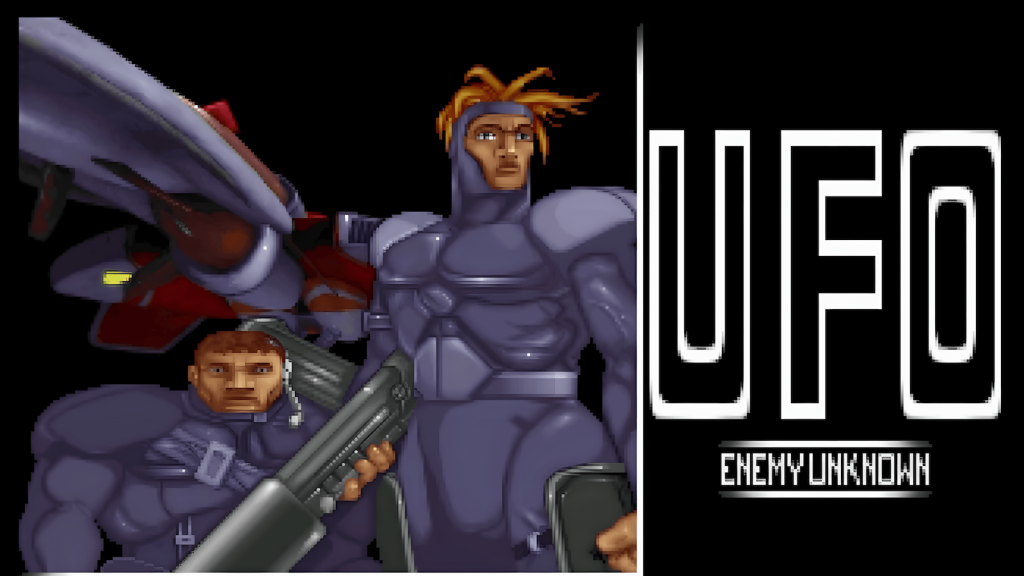
The original X-COM: UFO Defense (1994) works because its setting is uncertain, hostile, and indifferent. The modern XCOM games have better graphics and a newer game engine but it removed the mystery of the game it became a game that I just played for 6 hours got bored then moved on.
This isn’t about graphics or nostalgia. It’s about how a world feels when it refuses to explain itself.
The Original Setting Is Unknowable by Design
X-COM: UFO Defense offers no cutscenes explaining the aliens. No personality-driven villains. No narrative safety rails. You react to radar blips, not story beats. The world doesn’t care if you understand it. That’s precisely why it works.
Compare this with XCOM: Enemy Unknown. Immediate context. Named villains who monologue. Cinematic framing. Clear stakes, clearly explained. The Ethereals aren’t just another alien type you encounter late game before Cydonia. They’re characters with motivations who explain themselves. Clarity replaces dread.
The original demanded investigation. The remake provides information.
Scale Without Spectacle
The original X-COM feels global not because of epic cinematics, but because of mundane bureaucracy. Your bases are hidden facilities, not heroic command centers. Nations can quietly withdraw funding. Failure happens off-screen: a research project abandoned, a continent lost to panic, a base that simply stops responding.
You’re not saving the world in a movie sense. You’re failing to contain a problem.
Modern XCOM offers centered cameras, hero squads, “Chosen” villains with dialogue, and scripted escalation. The scale is bigger visually but smaller psychologically. When everything is framed for dramatic effect, nothing feels dangerous.
The Enemy Is a Force, Not a Character
In the original, aliens don’t monologue. You don’t know their plan. You learn through autopsies and battlefield failures. They feel like an ecosystem: emergent, indifferent, operating according to logic you must reverse-engineer.
In modern XCOM, aliens are factions. They have lore dumps. They’re framed as antagonists in a story arc. Once the enemy has a personality and expresses motivations, it stops being frightening and becomes a plot device.
Tone: Procedural vs. Cinematic
Original X-COM evokes Cold War paranoia, intelligence failures, shadow budgets, and unacknowledged wars. It feels like classified documents and bureaucratic containment.
Modern XCOM feels like resistance fiction: action sci-fi with character arcs and clear moral alignment. One feels plausible. The other feels produced.
Why Systems-First Settings Age Better
This isn’t “old good, new bad.” It’s about why systems-first settings age better than narrative-first ones. Why ambiguity beats exposition. Why fear works best when it’s not explained.
The original X-COM didn’t just feel dangerous because of aliens. It felt dangerous because the rules were hidden but discoverable and consistent once understood. The game trusted its simulation enough to let you prove it worked.
Modern games expose knobs, explain outcomes, and narrate intent. This makes them easier to play and harder to believe in.
That’s why people still play the original via OpenXcom. Not solely for mechanics, but because the setting still holds. It doesn’t ask you to be a hero. It asks you to operate in the dark and accept that you’re probably losing.

Design Truth
The original X-COM works because it respects you enough not to explain everything. It gives you a hostile, indifferent world that operates by consistent internal rules. If you care enough, you can learn those rules by opening the hood.
That’s not nostalgia. That’s design integrity.
The setting still hasn’t been matched because modern game design prioritizes clarity over uncertainty, exposition over investigation, and spectacle over dread. Those are valid design choices, but they produce fundamentally different experiences.